What Is a Gym Split and Why It Matters
Best gym split for beginners is how you divide your workouts across the week. Instead of training every muscle every day, you organize exercises into specific sessions. Choosing the best gym split for beginners helps you stay consistent, avoid overtraining, and see steady progress.
Understanding Training Structure
Training structure determines:
- Which muscles you train each day
- How often each muscle gets worked
- How much recovery time you allow
A clear structure removes guesswork and helps beginners feel confident in the gym.
How Splits Affect Recovery and Results
Muscles grow during rest, not during exercise. A good split ensures that each muscle group gets enough recovery time to repair and become stronger.
Overview of Popular Beginner Gym Splits
Two of the most popular beginner programs are Full Body Training and Push Pull Legs (PPL). Both can deliver results when used correctly.
Full Body Training Model
In a full body split, you train all major muscle groups in one session. This is usually done 2–3 times per week.
Key features:
- Fewer workout days
- Balanced muscle engagement
- Simple and easy to follow
Push Pull Legs (PPL) Training Model
The PPL split divides workouts into three categories:
- Push: Chest, shoulders, triceps
- Pull: Back, biceps
- Legs: Quads, hamstrings, calves, glutes
This model is often done 3–6 days per week depending on experience and schedule.
Benefits of Full Body Split for Beginners
Time Efficiency
Full body workouts are ideal if you can only train 2–3 days per week. You still hit every muscle group without spending long hours at the gym.
Balanced Muscle Development
Because every session includes the whole body, beginners avoid overdeveloping some muscles while neglecting others.
According to guidance from the American Council on Exercise (ACE), full body routines help beginners build coordination and movement patterns that support long-term training success.
Benefits of Push Pull Legs Split for Beginners
Focused Muscle Training
The PPL split allows you to give more attention to specific muscle groups. This can help improve strength and technique.
Progression and Strength Gains
By focusing on fewer muscles per session, you can lift heavier weights and track progress more easily.
Push Pull Legs vs Full Body: Side-by-Side Comparison
Training Frequency
- Full Body: 2–3 sessions per week
- PPL: 3–6 sessions per week
Recovery Demands
- Full Body: More rest days between sessions
- PPL: Each muscle gets rest while others are trained
Comparison Table:
| Feature | Full Body | Push Pull Legs |
|---|---|---|
| Time Required | Low | Medium–High |
| Muscle Focus | Balanced | Targeted |
| Beginner Friendly | Very High | Moderate |
| Progress Tracking | Simple | Detailed |
Also Read: Full Body Gym Workout for Beginners: 15 Simple & Powerful Exercises to Build Strength Safely
Sample Full Body Workout Plan
Weekly Training Schedule
- Day 1: Full Body
- Day 2: Rest
- Day 3: Full Body
- Day 4: Rest
- Day 5: Optional Full Body or Light Cardio
Exercise Selection
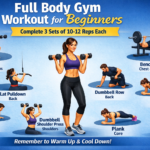
Perform 2–3 sets of 10–12 reps:
- Chest Press
- Lat Pulldown
- Squats
- Shoulder Press
- Plank
Sample Push Pull Legs Workout Plan
Push Day Exercises
- Bench Press
- Shoulder Press
- Triceps Pushdowns
Pull Day Exercises
- Seated Rows
- Lat Pulldowns
- Bicep Curls
Leg Day Exercises
- Squats
- Lunges
- Calf Raises
How to Choose the Best Gym Split for Your Goals
Fitness Level and Time Availability
Choose full body if you train fewer days. Choose PPL if you can train more often.
Long-Term Motivation
The best program is one you enjoy and can follow consistently.
Nutrition and Recovery for Any Gym Split
Fueling Your Workouts
Eat balanced meals with:
- Protein for muscle repair
- Carbohydrates for energy
- Healthy fats for recovery
Sleep and Rest Days
Aim for 7–9 hours of sleep and at least one full rest day per week.
Common Beginner Mistakes with Gym Splits
Switching Programs Too Often
Stick to one split for at least 6–8 weeks to see real progress.
Ignoring Recovery
Training without rest leads to burnout and slow results.
FAQs
1. Which split is better for complete beginners?
Full body is usually better for beginners due to simplicity and balance.
2. Can I switch from full body to PPL later?
Yes. Many people start with full body and move to PPL as they gain experience.
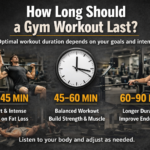
3. How long should each workout last?
45–75 minutes is ideal for most training sessions.
4. Do I need supplements for either split?
No. A balanced diet is enough for most beginners.
5. Is PPL too hard for beginners?
It can be challenging but manageable with lighter weights and proper rest.
6. How do I know if my split is working?
If you feel stronger, more energetic, and see progress in 4–6 weeks, it is working.
Conclusion
Choosing the best gym split for beginners depends on your schedule, goals, and motivation. Full body workouts offer simplicity and balance, while Push Pull Legs provides focus and structure. Both approaches can deliver excellent results when paired with proper nutrition, recovery, and consistency. Start smart, stay patient, and enjoy the process of becoming stronger and healthier.